February has a funny way of making us crave two things at once: comfort and brightness. The days are still short, the air is crisp, and yet—at the market and in the shops—there’s this quiet abundance of humble, sturdy vegetables that are basically begging to be turned into something cozy.
This is the month I always come back to a very Italian mindset: don’t fight the season—cook with it. In Italy, so much of home cooking is about making something delicious out of what you have, what’s affordable, what’s around. And in February, that “what’s around” looks a lot like roots, cabbages, and greens.
Here in Amsterdam, February markets are basically a love letter to roots and greens: beets, cabbages, leeks, potatoes… the kind of ingredients that don’t look flashy at first, but can become absolutely magical with the right technique.
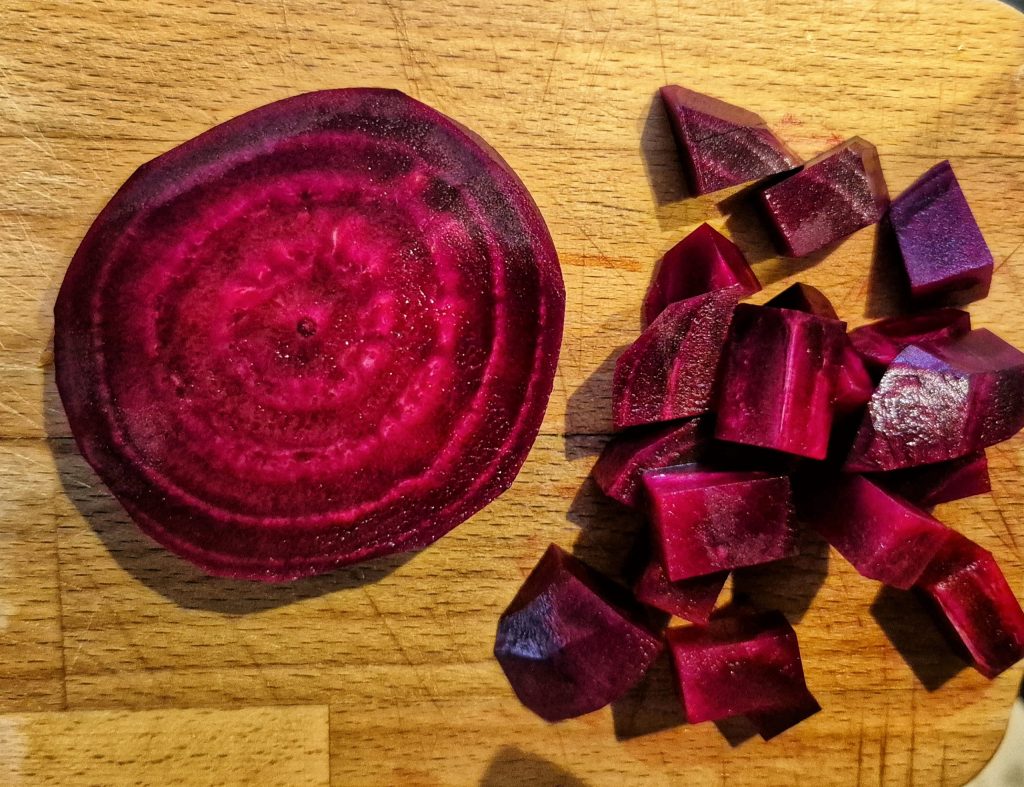
If I’m honest, I used to find some of these vegetables… challenging. Beets? I was not a fan. Cabbage? Not exactly part of my childhood food memories. But this winter, I’ve had a couple of small ingredient revelations that reminded me why I love cooking: you can change your mind about a food simply by changing the technique.
So consider this your cozy February permission slip: you don’t have to love every vegetable immediately. You just need a few tricks that make it taste like something you actually want to eat.
And before we dive in—tell me: Have you had a vegetable/root revelation this season?
Beets (Yes, Even If You Think You Don’t Like Them)
Let’s start with my most surprising confession: I don’t naturally like beets.
I know. As someone who cooks seasonally, that sounds almost illegal in February. But for years, beets tasted too earthy to me—like the flavor was shouting when I wanted it to sing.
Then I started treating beets the way I treat many “strong” ingredients in Italian cooking: soften them, balance them, pair them with something salty/creamy, and let them become part of a bigger harmony.
Here are the beet tricks that genuinely changed my mind:
1) Roast beets alongside other vegetables (so they mellow out)
Roasting is the great peacemaker. It takes the sharp edges off flavors and brings out sweetness.
My favorite approach is to roast beets not alone, but as part of a tray of winter vegetables:
- Beets + carrots + red onion
- Beets + parsnip + a few garlic cloves
- Beets + wedges of squash (if you still have winter squash from storage)
Why it works: you’re not forcing yourself to eat “a beet.” You’re eating a roasted winter mix where beet becomes one note in the chord.
Quick tip: add acid at the end (a squeeze of lemon or a splash of vinegar). Acid is magic with beets.
Try it like this: roast a mixed tray, then toss with lemon + olive oil + a pinch of salt and pepper, and crumble feta on top right before serving.
2) Blend beets into a creamy sauce with potatoes (the “soft landing” method)
If you’ve ever had a vegetable you want to like but can’t handle at full volume, blending is your friend.
One of my favorite ways to make beets feel gentle and comforting is to blend them with potatoes into a silky sauce. The potato adds body and softness, and suddenly the beet flavor becomes creamy, sweet, and almost… romantic.
How to do it (simple version):
- Roast or boil beets until tender
- Boil a potato (or two, depending on batch)
- Blend with olive oil, a splash of cooking water, salt, and black pepper
- Optional but lovely: a little garlic, or a tiny pinch of chili
This becomes an easy base for pasta sauce, a swirl for soups, or even a spread on crostini.
Try it like this: toss with pasta, then finish with lemon zest + black pepper + cheese (or feta if you want that salty/creamy balance).
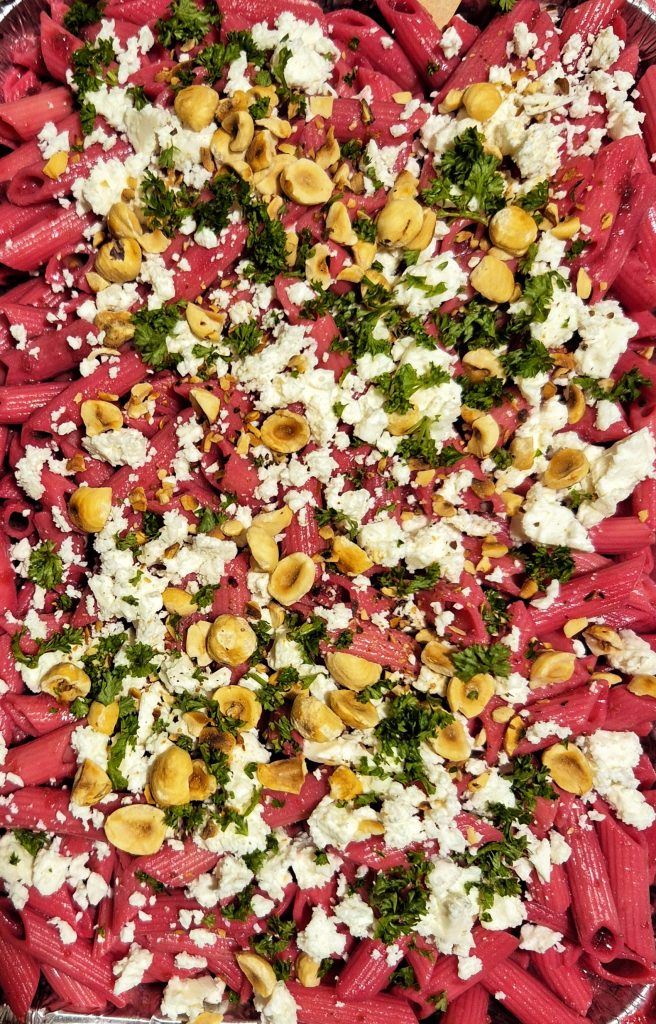
3) Pair beets with feta (salty + creamy = instant balance)
Beets and feta are one of those pairings that just makes sense. The saltiness and creaminess of feta calms the beet’s earthiness and brings out its sweetness.
And I’ve seen this “conversion” happen in real life: people absolutely loved my winter beet tarts—especially because that feta element made everything feel balanced and not too intense.
Try it like this: roasted beets + feta + toasted walnuts + a little lemon zest. Simple, but it tastes like you meant it.
Cabbage & Kale (Not “Italian” in My Head… Until It Was)
This winter I experimented a lot with cabbages and kale, partly because they’re everywhere in February, and partly because I realized they weren’t really part of my Italian food memories.
In Italy I grew up with cicoria and spinach—so Dutch cabbage felt unfamiliar at first. But the Italian logic works on almost everything: good olive oil, garlic, a little chili, salt, and a bright finish like lemon.
Suddenly cabbage didn’t feel like a compromise. It felt like a new ingredient to fall in love with.
Here are two very easy ways to make cabbage/kale feel exciting:
1) Shred it and eat it raw as a salad base (yes, even in winter)
Winter salads are underrated. Raw cabbage has crunch, structure, and it holds dressing beautifully—especially if you give it a little massage (kale loves this too).
My go-to winter salad base:
- finely shredded cabbage or kale
- olive oil + lemon juice
- salt
- optional: a little honey or mustard
Then build it into something you actually want to eat:
- add apple slices or pear (hello February)
- add toasted seeds or walnuts
- add shaved Parmigiano or crumble feta
- add radicchio for an Italian bitter edge
Try it like this: cabbage + pear + walnuts + Parmigiano + lemon/olive oil dressing. It’s bright, crunchy, and feels like a reset without feeling like punishment.
2) Boil/steam, then blend into an easy pasta sauce base (the “hidden vegetable” trick)
This is one of my favorite “make vegetables lovable” techniques, and it works beautifully with cabbage and kale.
If you steam or boil cabbage/kale until tender, then blend it with olive oil and a little starchy water, you get a smooth sauce base that feels like comfort food. It’s not a loud “kale taste.” It’s creamy, savory, and perfect for pasta.
Simple method:
- steam/boil kale or cabbage until soft
- blend with olive oil, salt, pepper, and a bit of pasta water
- optional: garlic, lemon, chili, or a spoon of ricotta for extra creaminess
Try it like this: toss with pasta, finish with cheese, and add a squeeze of lemon to brighten everything up.
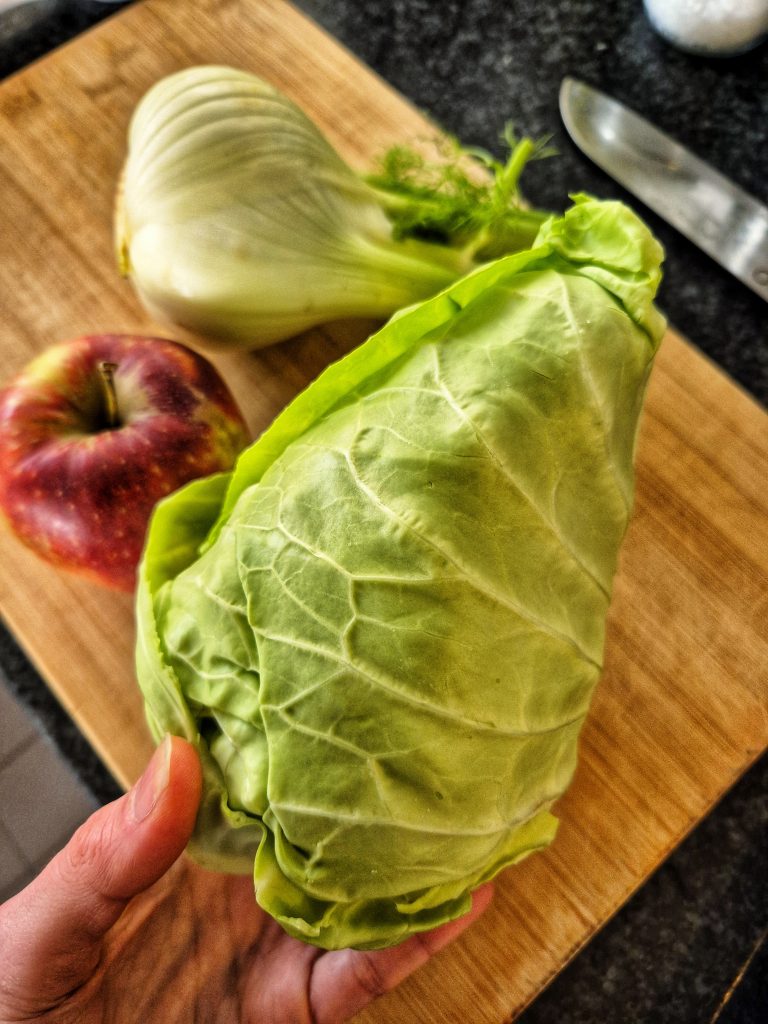
What’s in Season in the Netherlands in February
If you’re building your February cooking around what’s available (and what actually tastes good right now), here’s a simple list to keep in your back pocket—especially if you want to lean into Dutch winter produce.
Vegetables:
- Beetroot
- Celeriac
- Parsnip
- Carrots
- Leeks
- Onions
- Potatoes
- Jerusalem artichoke (topinambur)
- Winter squash (often still available from storage)
- Cabbages + kale
- Brussels sprouts
- Chicory / witlof
- Radicchio
Fruits (mostly storage fruit locally):
- Apples
- Pears
Seasonal-but-not-local (still very winter and wonderful in Italian cooking):
- Winter citrus: oranges, mandarins/clementines, lemons, grapefruit (and sometimes blood oranges)
If you want a simple formula for February meals, try this: one root + one green + one bright thing (lemon/citrus/vinegar) + good olive oil.
That’s basically the backbone of seasonal Italian cooking—just adapted to what February gives us.
Bonus: A No-Stress Valentine’s Menu (Cozy, Not Fussy)
If you’re cooking for someone you love this weekend (or just treating yourself—also valid), here’s a no-stress Valentine’s idea that still feels special.
Main: Beet pasta (creamy beet + potato sauce)
Use the “soft landing” beet method: blend beets with potatoes into a velvety sauce, toss with pasta, and finish with something salty/creamy (feta works, or Parmigiano if you want it more classic). Find my simple sauce (using heart-shaped pasta! How cute is it?) here.

Make it feel romantic with tiny details:
- a drizzle of good olive oil
- black pepper
- lemon zest
- a handful of toasted nuts for crunch
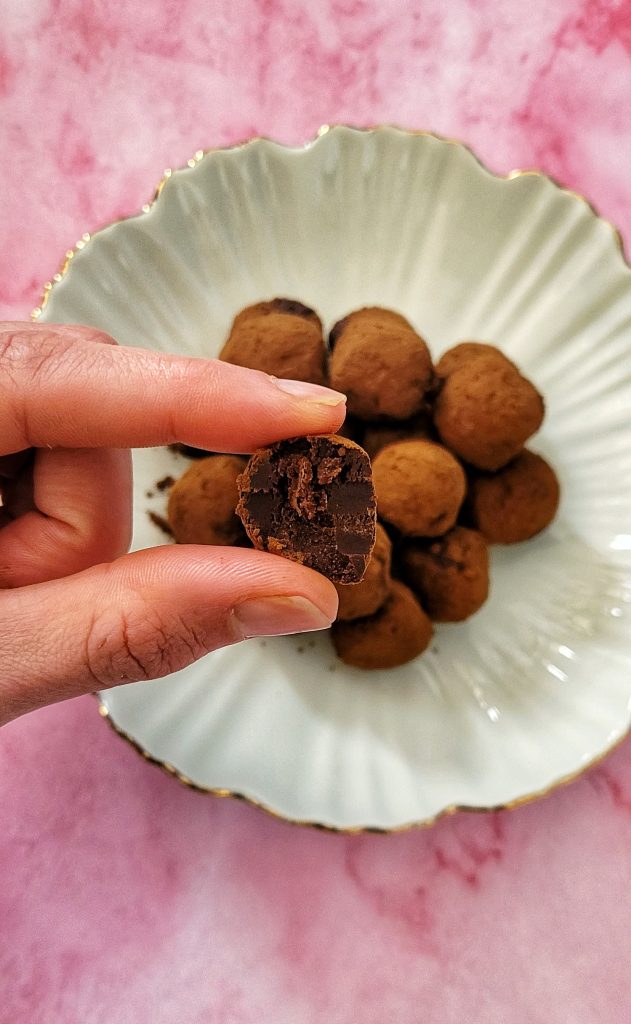
Dessert: Chocolate truffles (a winter pantry treat)
Chocolate truffles aren’t seasonal produce—and I’m not going to pretend they are. But they are the definition of a cozy winter treat, and they’re perfect for Valentine’s because they feel handmade and thoughtful.
Even better: you can make them ahead, keep them in the fridge, and suddenly you’re the kind of person who casually offers homemade truffles after dinner. (Iconic.) Find my recipe here
If you want to keep the whole menu winter-bright, add a little orange zest or a pinch of flaky salt to the truffles.
A Gentle Ending (And a Small Invitation)
If there’s one thing I hope you take from this: you’re allowed to change your mind about vegetables. Sometimes it’s not the ingredient—it’s the method, the pairing, the little Italian finishing touches that make it click.
And if you try one of these ideas, I’d genuinely love to hear: Have you had a vegetable/root revelation this season?
If you want more seasonal inspiration, you can always browse the Seasonal Living posts here on the blog. And if you’d like to taste this approach in real life, my workshops and catering menus follow the seasons too—quietly, naturally, and with a lot of love. (You can find the details on the website whenever you’re ready.)
Buon appetito,
Micaela